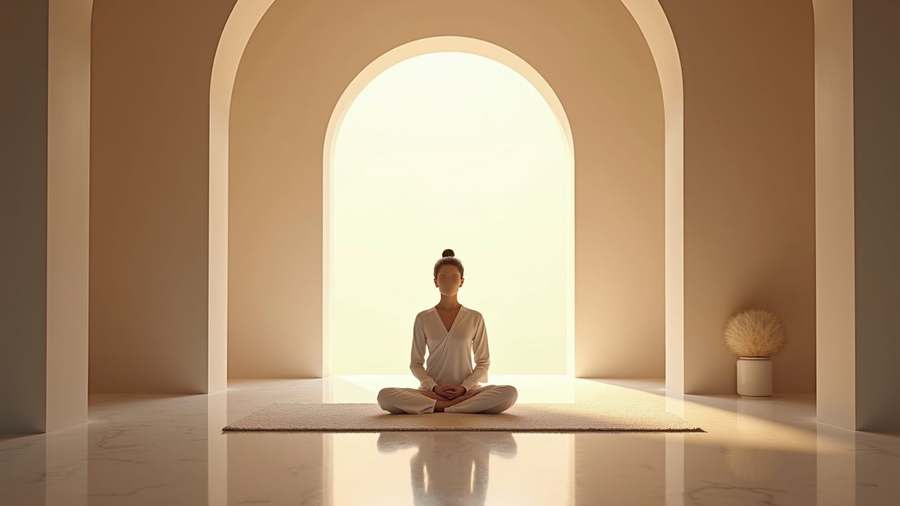

Therapeutic Retreats: Nature’s Role in Psychosomatic Wellness
- Masha Atman
- Jan 15
- 5 min read
In a world increasingly dominated by technology and urban living, the importance of reconnecting with nature cannot be overstated. Therapeutic retreats, often nestled in serene natural settings, offer a unique opportunity for individuals seeking to enhance their psychosomatic wellness. These retreats provide not only a break from the daily grind but also a chance to heal and rejuvenate both the mind and body.
Understanding Psychosomatic Wellness
Psychosomatic wellness refers to the connection between the mind and body, where psychological factors can influence physical health. Stress, anxiety, and emotional turmoil can manifest as physical symptoms, leading to a cycle of discomfort and distress. Recognizing this connection is crucial for holistic healing.
The Mind-Body Connection
The mind-body connection is a powerful concept in wellness. Research shows that emotional and psychological states can significantly impact physical health. For instance, chronic stress can lead to conditions such as hypertension, digestive issues, and even chronic pain. By addressing mental health through therapeutic practices, individuals can often alleviate these physical symptoms.
The Role of Nature in Healing
Nature has a profound impact on our mental and physical well-being. Studies have shown that spending time in natural environments can reduce stress, improve mood, and enhance overall health. The sights, sounds, and smells of nature can evoke feelings of peace and tranquility, making it an ideal backdrop for therapeutic retreats.
Benefits of Therapeutic Retreats
Therapeutic retreats offer a multitude of benefits that can enhance psychosomatic wellness. Here are some key advantages:
1. Stress Reduction
Nature has a calming effect on the mind. Retreats often incorporate activities like hiking, meditation, and yoga, which can significantly reduce stress levels. Engaging with nature allows individuals to disconnect from their daily stressors and reconnect with themselves.
2. Improved Mental Clarity
Being in a tranquil environment can enhance focus and mental clarity. Many participants report that they leave retreats with a clearer mind and a renewed sense of purpose. This clarity can lead to better decision-making and improved emotional health.
3. Enhanced Physical Health
The physical activities often included in retreats, such as hiking or yoga, promote physical fitness. Regular physical activity is essential for maintaining a healthy body and can help alleviate psychosomatic symptoms.
4. Community and Support
Therapeutic retreats often foster a sense of community. Participants can share their experiences and support one another, creating a network of understanding and compassion. This sense of belonging can be incredibly healing.
5. Mindfulness and Self-Reflection
Many retreats emphasize mindfulness practices, encouraging participants to reflect on their thoughts and feelings. This self-reflection can lead to greater self-awareness and emotional healing.

Types of Therapeutic Retreats
There are various types of therapeutic retreats, each catering to different needs and preferences. Here are some popular options:
Wellness Retreats
Wellness retreats focus on holistic health, combining physical activities, healthy eating, and mindfulness practices. These retreats often include workshops on nutrition, stress management, and self-care.
Yoga Retreats
Yoga retreats emphasize the practice of yoga as a means of achieving physical and mental wellness. Participants engage in daily yoga sessions, meditation, and relaxation techniques, all set in a peaceful environment.
Nature Immersion Retreats
Nature immersion retreats focus on connecting with the natural world. Activities may include hiking, nature walks, and outdoor meditation. These retreats aim to foster a deep appreciation for nature and its healing properties.
Creative Retreats
Creative retreats encourage participants to explore their artistic side. Whether through writing, painting, or music, these retreats provide a space for self-expression and emotional exploration.
Choosing the Right Retreat
Selecting the right therapeutic retreat can be a transformative experience. Here are some factors to consider:
1. Goals and Intentions
Before choosing a retreat, reflect on your goals. Are you seeking stress relief, emotional healing, or physical fitness? Understanding your intentions will help you select a retreat that aligns with your needs.
2. Location
The location of the retreat plays a significant role in the overall experience. Consider whether you prefer a coastal setting, a mountain retreat, or a forest sanctuary. Each environment offers unique benefits.
3. Activities Offered
Review the activities included in the retreat. Ensure they align with your interests and goals. Whether it’s yoga, hiking, or creative workshops, the right activities can enhance your experience.
4. Duration
Retreats can vary in length from weekend getaways to week-long immersions. Consider how much time you can dedicate to the experience and choose accordingly.
5. Community and Support
Research the community aspect of the retreat. A supportive environment can enhance your experience and provide valuable connections with like-minded individuals.
Preparing for Your Retreat
Once you’ve chosen a retreat, preparation is key to maximizing your experience. Here are some tips:
1. Set Intentions
Before attending, take time to set clear intentions for what you hope to achieve. This could be emotional healing, stress relief, or personal growth.
2. Pack Mindfully
Consider what to bring. Comfortable clothing, personal items, and any necessary medications should be included. Packing mindfully ensures you have what you need to fully engage in the experience.
3. Leave Distractions Behind
To fully immerse yourself in the retreat, consider disconnecting from technology. This allows for deeper connections with yourself and others.
4. Be Open-Minded
Approach the retreat with an open mind. Embrace new experiences and be willing to step outside your comfort zone.
The Impact of Nature on Mental Health
The benefits of nature extend beyond the retreat experience. Research consistently shows that spending time outdoors can have lasting positive effects on mental health. Here are some key findings:
1. Reduced Anxiety and Depression
Studies indicate that spending time in nature can significantly reduce symptoms of anxiety and depression. The calming effects of natural environments can lead to improved mood and emotional well-being.
2. Increased Creativity
Nature has been shown to enhance creativity. Exposure to natural settings can inspire new ideas and perspectives, making it an ideal environment for creative pursuits.
3. Enhanced Focus and Attention
Nature can improve focus and attention span. Research suggests that spending time outdoors can lead to better concentration and cognitive function.
4. Improved Sleep Quality
Natural environments promote relaxation, which can lead to improved sleep quality. Better sleep is essential for overall health and well-being.
Conclusion
Therapeutic retreats offer a unique opportunity to enhance psychosomatic wellness through the healing power of nature. By disconnecting from daily stressors and immersing oneself in serene environments, individuals can experience profound benefits for both mind and body. Whether through yoga, mindfulness, or simply enjoying the beauty of nature, these retreats provide a pathway to healing and rejuvenation.
As you consider your own journey towards wellness, think about how a therapeutic retreat might fit into your life. Embrace the opportunity to reconnect with nature and yourself, and take the first step towards a healthier, more balanced life.